
Sustainable energy companies spend a lot of time talking about ambitious climate targets, electrification, and the technologies that will define a cleaner future. All of that matters. But there’s a more practical question that deserves equal attention: who is actually going to build it?
At GreenEdge Energy, we believe the energy transition isn’t just about infrastructure. It’s about the people who make it happen.
That belief is exactly why our partnership with the California Conservation Corps (CCC) is so meaningful—not just for our team, but for what it signals about where the industry is heading.
The CCC has built something very special: a model where young adults are paid to learn and work on real-world environmental projects: everything from habitat restoration to renewable energy deployment. That mission is expanding deeper into electrification now.
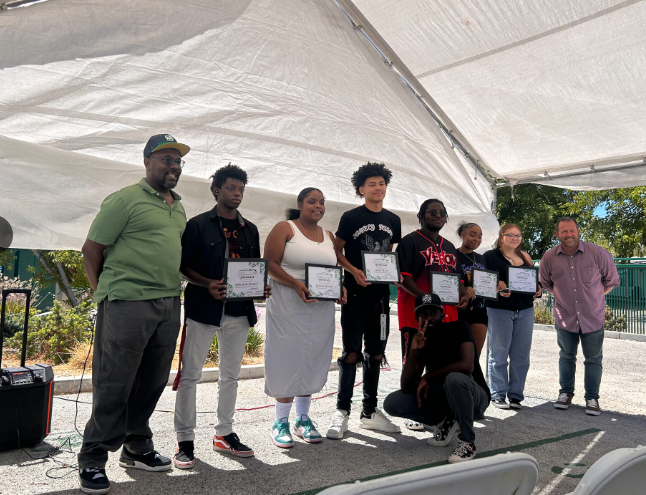
GreenEdge has been brought in to facilitate a hands-on EV charging infrastructure training program in Sacramento for approximately 20 Corps members. It’s not just theoretical, it’s a 3-day, immersive program that includes:
- Classroom sessions on EV charging infrastructure and the broader ecosystem.
- Site visits to real-world installations and use cases.
- Hands-on Level 2 charger installations at the CCC training center.
We’re not just delivering infrastructure, we’re helping build the workforce that will deliver it in the years ahead.
Why This Matters
We’re entering a phase where EV adoption is accelerating, grid constraints are becoming more pronounced, infrastructure timelines are tightening, and skilled labor is emerging as one of the biggest bottlenecks to progress.
While clean energy jobs are outpacing the nation’s total workforce (growing by 3% from 2023 to 2024, while the total U.S. workforce only grew by 1%) utility companies, renewable energy manufacturers, and suppliers are struggling to find labor at all skill levels. Roughly 60% of energy companies report hiring difficulties, with critical shortages for electricians, technicians, and engineers.
The reality is this: you can have all the funding, incentives, and policy support in the world—but without trained people on the ground, projects stall. That’s why programs like this matter:
- They don’t just introduce concepts, they create job-ready capability.
- They connect training directly to real-world applications.
- They give people the confidence and hands-on experience needed to step into a workforce that is desperately short on talent.
For me personally, this is the kind of work that stands out. It’s tangible. I’ve seen the impact when someone wires their first charger, when a classroom theory suddenly clicks into place during a site visit, and when a participant realizes they now have a pathway into a meaningful and rewarding career.
If we’re serious about meeting our climate goals, we need to rethink the role companies like GreenEdge play. It’s not enough to be contractors or service providers. We also need to be workforce builders. Because the success of the energy transition won’t ultimately be defined by technology alone, it will be defined by whether we have the people ready to deliver it.